

Trade leads and lead sites Practical guide
Plumbing leads in the UK: which source suits you?
For plumbers, the right lead source depends mainly on job type and who controls the customer relationship. Urgent repairs usually need fast contact and fast qualification, while planned installations can carry a higher acquisition cost if the gross profit still works. Use bought leads for speed or overflow, but build your own website and Google Business Profile if you want more control over follow-up, repeat work and customer records.
Take this with you
At a glance
- Split your figures by urgent repair and planned installation before you judge any lead source.
- Ask every supplier the same four things first: exclusivity, bad-lead refunds, contact route and who owns the customer record.
- Track source, job type and won jobs for four weeks, then compare spend per completed job against gross profit by job type.
Short answer: choose by job type and contact control
If you mainly want urgent repair work, favour sources that let customers contact you quickly and let you qualify the job fast. If you mainly want bathrooms, boiler changes or other planned installation work, judge the source on cost per completed job, not the cost of one enquiry.
Most plumbers should not rely on one source. Use shared lead sites when you need volume, overflow or a way to test a patch. Consider pay per call only if you can answer promptly and can verify what counts as a chargeable call. Build your own route through a website and Google Business Profile if you want better control of the enquiry, the follow-up and the customer record. For the wider market view and current platform notes, start with our trade leads hub and the platform pages for Checkatrade, MyBuilder and Bark.
Urgent repair and planned installation do not behave the same
A leaking pipe, blocked waste or failed stop tap is usually a speed job. The customer wants an answer, an area check and a clear next step. In that case, a source that creates immediate contact can suit you better than one that adds extra steps.
Checkatrade says customers may book through a profile, call directly or request a quote, as published on 2026-11-26 (source). That supports using it for repair-led demand where direct calls matter.
Planned installations behave differently. A bathroom refit, cylinder upgrade or radiator move usually needs photos, a visit and a quote. MyBuilder says multiple trades can express interest and the customer then chooses who to share details with, as published on 2026-11-26 (source). Bark says the price to respond depends on service type and job size or scope and is shown before you respond, as published on 2026-11-26 (source).
So do not mix repairs and installations into one average. A source that looks expensive for repairs may still work for installations. A source that looks cheap per repair lead may still fail if the calls are weak, duplicated or out of area.
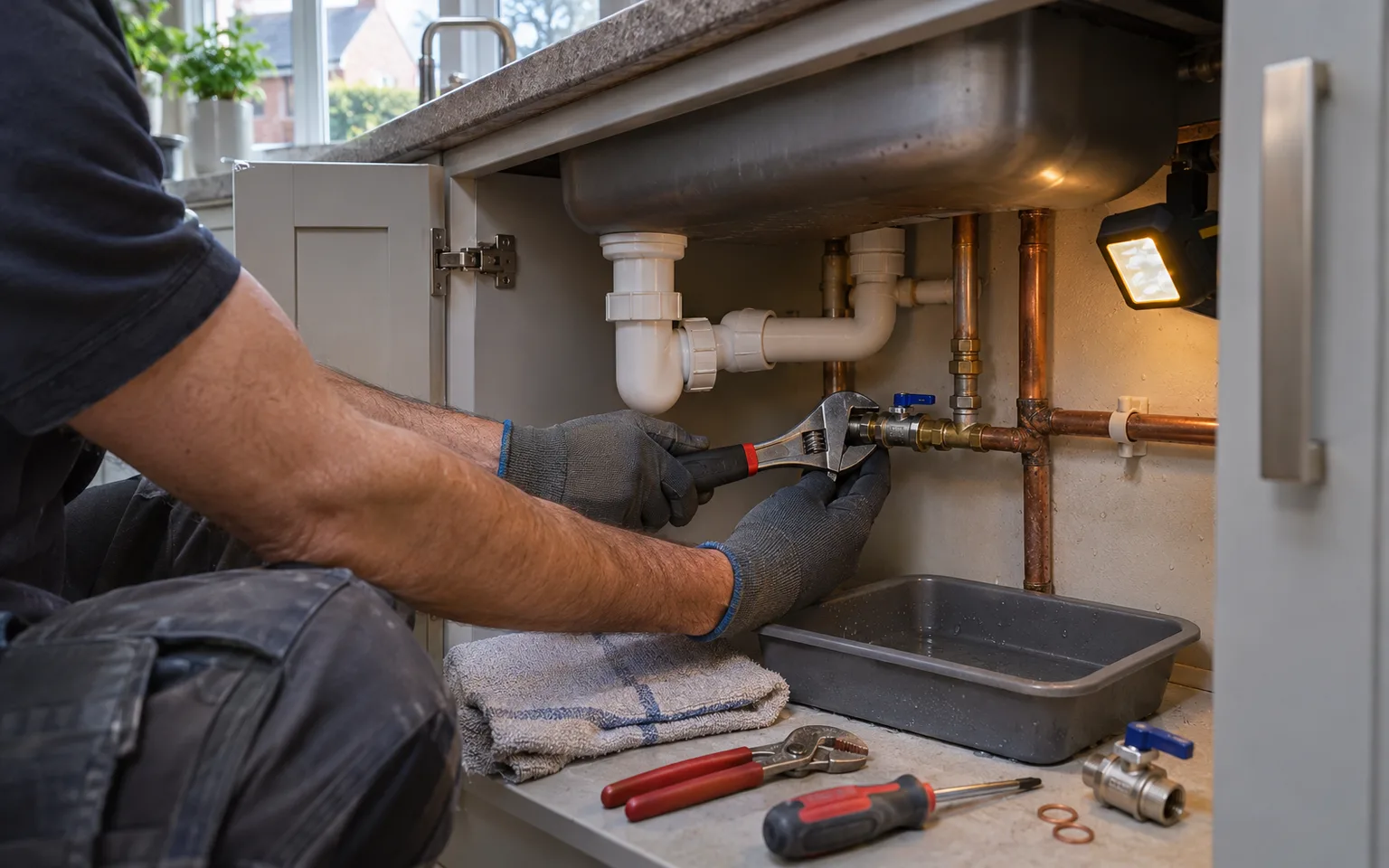
Shared lead sites: useful for volume, weak on control
Shared lead sites can help when you need enquiries quickly, want to fill diary gaps or want to test a nearby town before putting time into your own marketing.
The trade-off is control. On MyBuilder, the customer posts a job, several trades may express interest, and the customer chooses who to share details with, as published on 2026-11-26 (source). MyBuilder also says trades can sign up for free, express interest for free, and are charged when shortlisted and contact details are shared; the shortlist fee is shown before action, excludes VAT and is non-refundable subject to clause 12.9, as published on 2026-11-26 (source).
Treat that as rented demand rather than an owned enquiry source. It often suits new sole traders, firms with spare capacity and plumbers testing demand in a new area. It suits you less if your main goal is long-term control of repeat business and customer data.
For a deeper platform-by-platform look, read Are trade lead sites worth it? Work out your real cost per job.
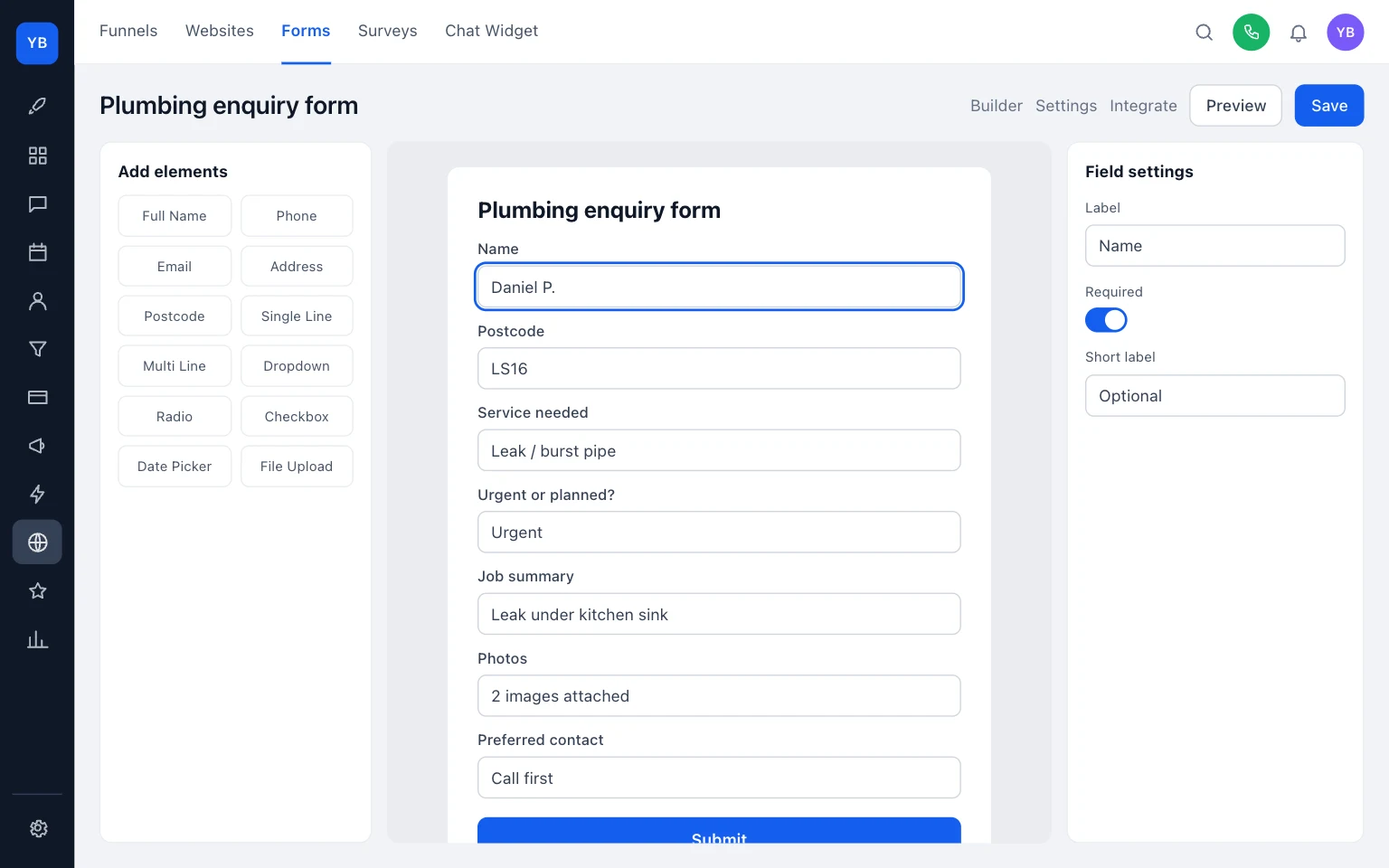
Pay per call: judge the call, not the headline
Pay per call can sound cleaner than a form lead because a phone call feels closer to real intent. Sometimes it is. Sometimes it is just a charged ring that never becomes a sensible job.
I could not verify a current pay-per-call supplier page from the allowed research sources for this article, so do not buy on assumptions. Ask what counts as a chargeable call, what happens with wrong numbers and duplicates, whether calls are recorded, whether the same customer can contact several plumbers and how disputes are handled.
For plumbers, pay per call usually suits best when you answer live most of the time, cover a tight area and are happy dealing with repair-first demand. If you miss calls while on the tools, the model gets risky quickly. Use our missed call cost calculator to estimate what missed new-enquiry calls may be costing you before you buy more call-led traffic.
Own website and Google profile: slower to build, better to keep
Your own website and Google Business Profile are not as immediate as switching on a lead platform, but they are the strongest route if you want more control.
Google says there is no way to request or pay for better local ranking, and that local visibility is mainly shaped by relevance, distance and prominence, as published on 2026-11-26 (source). The same guidance says complete business information, reviews and photos or videos can help performance, as published on 2026-11-26 (source).
That matters because a direct route does two jobs at once: it can bring in enquiries now, and it gives you an asset you keep building. When the enquiry comes through your own website form or a direct call from your Google profile, you control what gets asked, where the record sits and how follow-up works.
UKTL has a commercial interest here because we sell websites for trades and websites for plumbers. The fair comparison is still this: shared platforms can suit overflow, new areas and urgent repair gaps, but a direct route usually gives better control for planned work, repeat customers and local reputation.
If you want the weekly routine for getting more plumbing customers, read Weekly plan for plumbers, electricians, roofers.
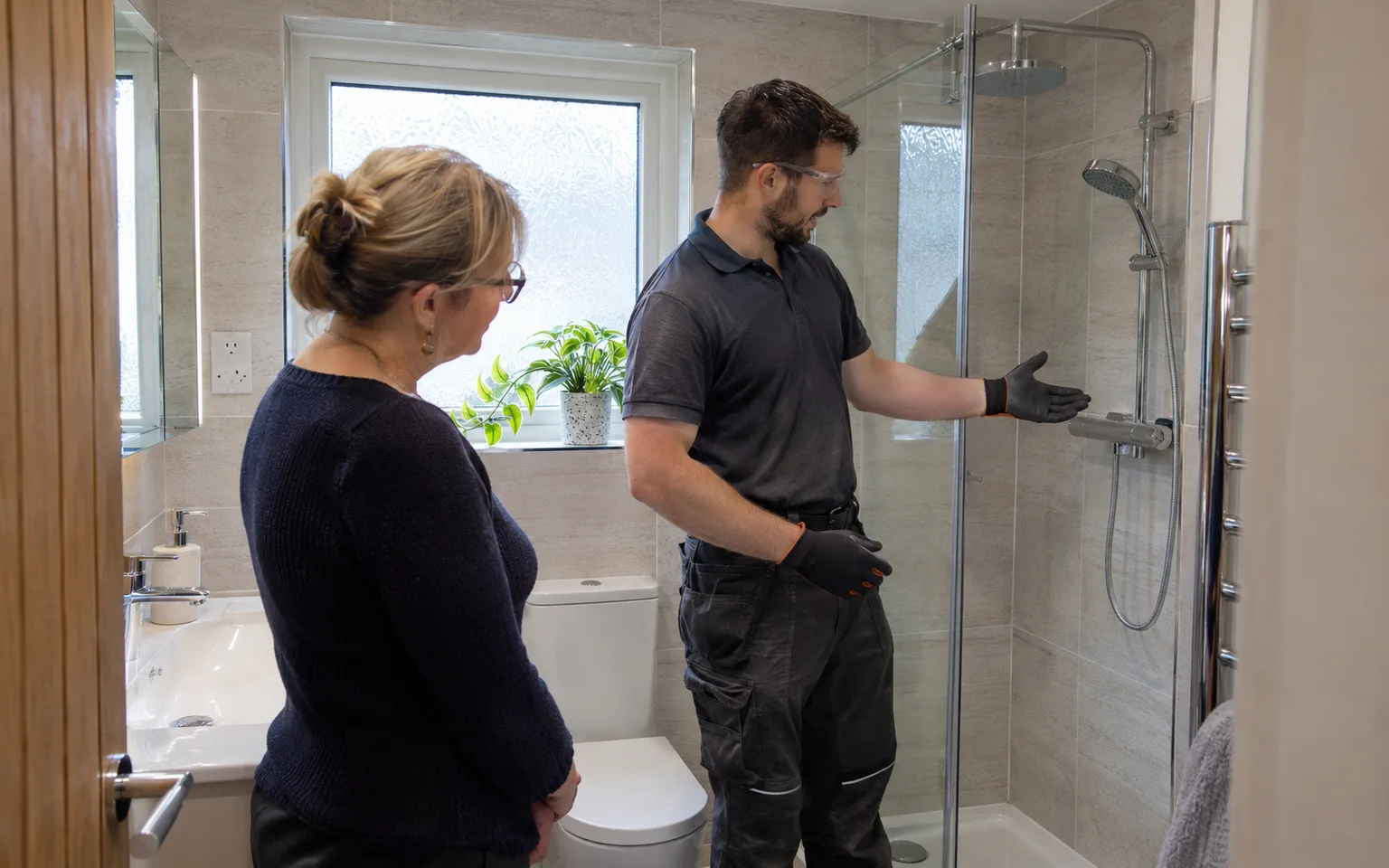
Plumbing lead-source comparison table
Scroll sideways to see all columns.
| Lead source | Exclusivity | Refunds for bad leads | Best job type | Who owns the customer record first | Who it suits |
|---|---|---|---|---|---|
| Shared lead site | Often shared or platform-mediated. On MyBuilder, the customer chooses who to share details with after trades express interest, as published on 2026-11-26 (source). | Do not assume refunds. MyBuilder says the shortlist fee is non-refundable subject to clause 12.9, as published on 2026-11-26 (source). Other platform refund rules were not confirmed from the reviewed pages. | Repairs, overflow quoting, area testing, some planned installs if margins allow | Usually inside the platform first | Plumbers who need volume quickly and can respond fast |
| Pay per call | Varies by supplier; verify whether calls are exclusive, shared or resold | Varies by supplier; verify wrong numbers, duplicates and missed-call disputes before buying | Urgent repair, same-day work, tight coverage areas | Usually starts with the supplier routing the call | Plumbers who answer live and qualify fast |
| Own website | Direct to your business | No platform refund model; you still carry your own marketing and site costs | Planned installations, repeat work, mixed service pages | Your business owns the form and CRM record first | Firms building a long-term direct channel |
| Google Business Profile | Direct to your business, but customers can still compare nearby firms | No lead refund model from Google Business Profile itself | Local repairs, nearby searches and branded demand | Your business receives the call or message route | Any plumber serving a defined local area |
If you are comparing named platforms, use the cost notes on /trade-leads/ rather than relying on memory.
Repair-versus-installation worksheet
Use one worksheet per lead source. Split repair and installation. Then compare the result, not the sales pitch.
Scroll sideways to see all columns.
| Measure | Repair | Installation |
|---|---|---|
| Enquiries received | ||
| Quoteable enquiries | ||
| Completed jobs | ||
| Total lead spend | ||
| Lead spend per completed job | total lead spend ÷ completed jobs | total lead spend ÷ completed jobs |
| Average gross profit per completed job | ||
| Gross profit left after lead spend | average gross profit minus lead spend per completed job | average gross profit minus lead spend per completed job |
Example
You receive 18 repair enquiries from one source. Ten are quoteable and 6 become completed jobs. Total lead spend is 180, so lead spend per completed repair job is 30.
Example
You receive 6 installation enquiries from the same source. Three are quoteable and 1 becomes a completed job. Total lead spend is 300, so lead spend per completed installation job is 300.
Those figures point to different decisions. The repair source needs to leave enough gross profit after travel, parts and time. The installation source can tolerate a higher acquisition cost if the job margin is still strong and your close rate is realistic. To run the numbers quickly, use the lead platform break-even calculator and enter one source at a time.
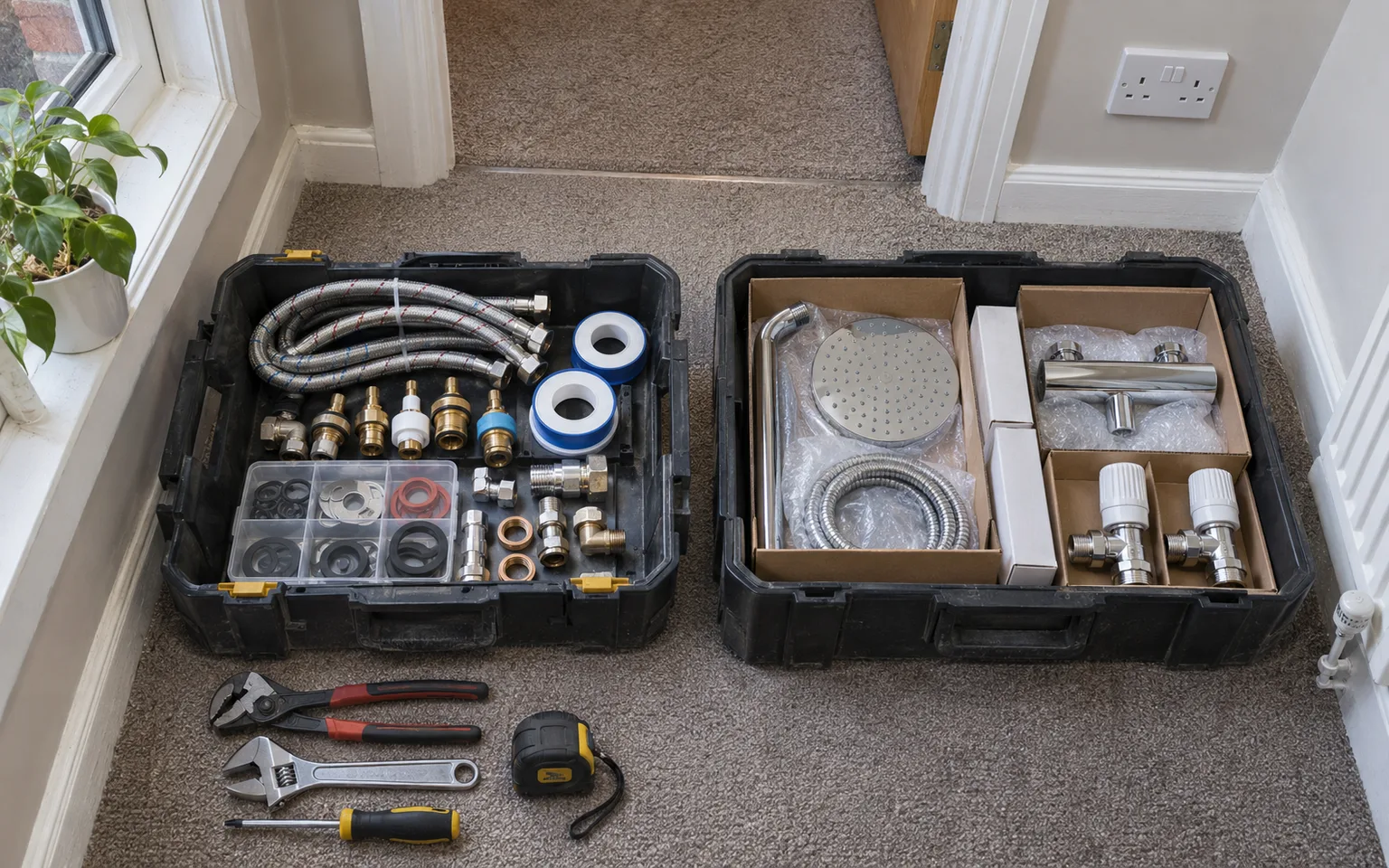
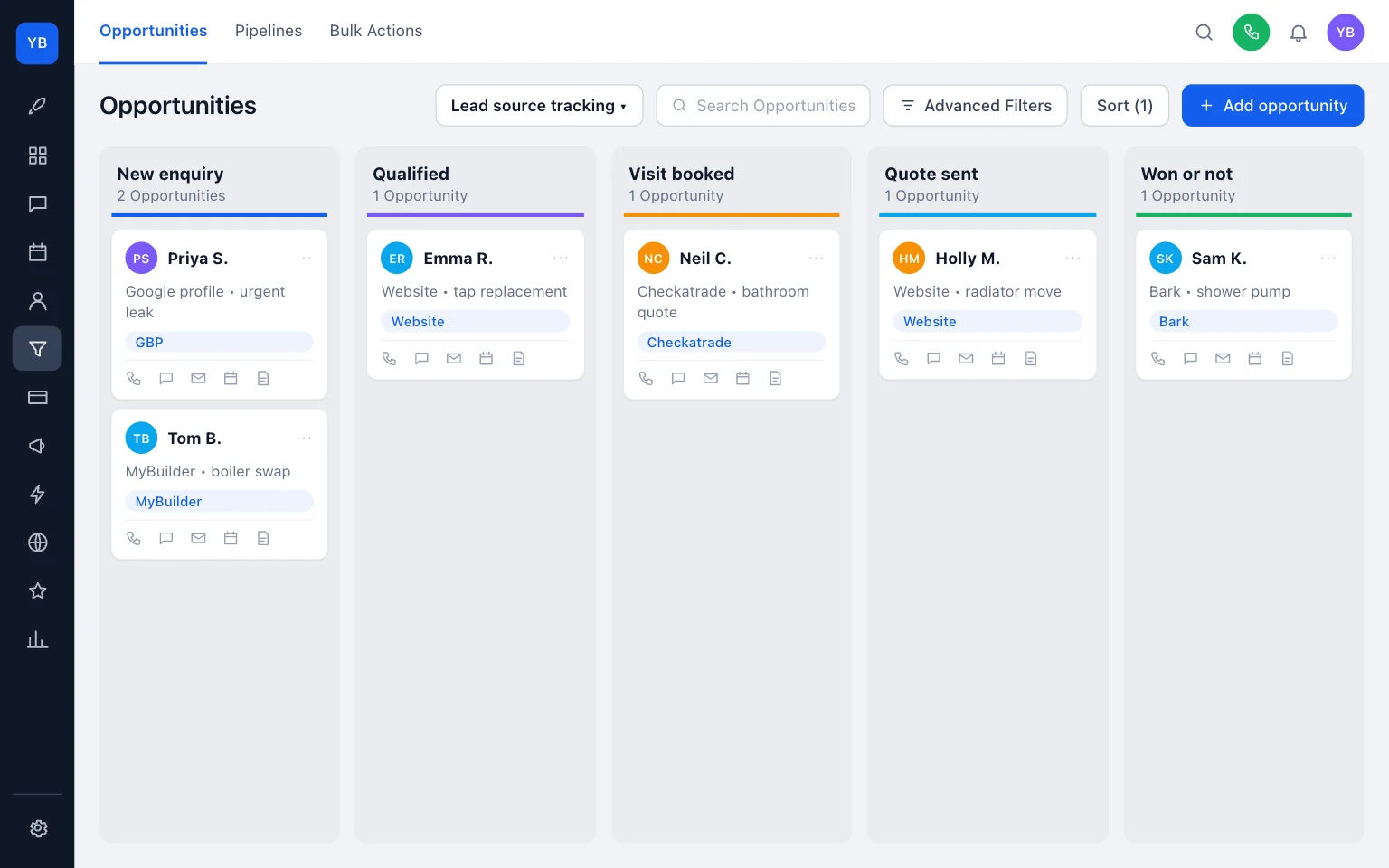
Track lead source and job type for four weeks
Do this before you cancel a platform or sign a new one.
Track these fields on every enquiry:
- source
- job type
- urgent or planned
- postcode
- quoted or not quoted
- won or not won
- completed value band
Four weeks is often enough to spot obvious problems: wrong areas, weak repair calls, installation leads that never progress, or a direct source that converts better because the jobs are larger. If you need help improving your direct route, the guides section and What to include on a trades service page are a good next step.
What to ask before you buy
Ask every supplier the same questions:
- Is the lead exclusive, shared, or not confirmed?
- At what point do I pay?
- What counts as a bad lead?
- What can be refunded or credited, and on what basis?
- How does the customer contact me?
- Do I get the customer details direct, or stay inside the platform?
- Can I filter by job type, area or availability?
- How quickly do I need to respond for this source to work?
If the answers are vague, move on.
What to do today
First, pick one repair-heavy source and one installation-heavy source from the last four weeks. Complete the worksheet for each.
Second, decide whether you are only renting demand or also building something you keep. If it is only rented demand, improve your direct route through your Google Business Profile and your own site.
Third, read the next pages in order:
- Are trade lead sites worth it? Work out your real cost per job
- Is Checkatrade worth it for trades?
- What to include on a trades service page
If you want managed help with the direct route, see our websites for trades service and pricing.
Keep building your enquiry process
See our guides for trades for the wider picture, explore trade leads and lead sites with UKTL and check the current package and pricing.
- Is Checkatrade worth it for trades?
- What to include on a trades service page
- Are trade lead sites worth it? Work out your real cost per job
For a practical next step, read Best website builder for tradesmen: DIY or managed?.
Make it practical
Talk through your own setup.
If the website, local search and follow-up all need joining up, we can walk through how the UKTL setup works for your business.
Book a quick call